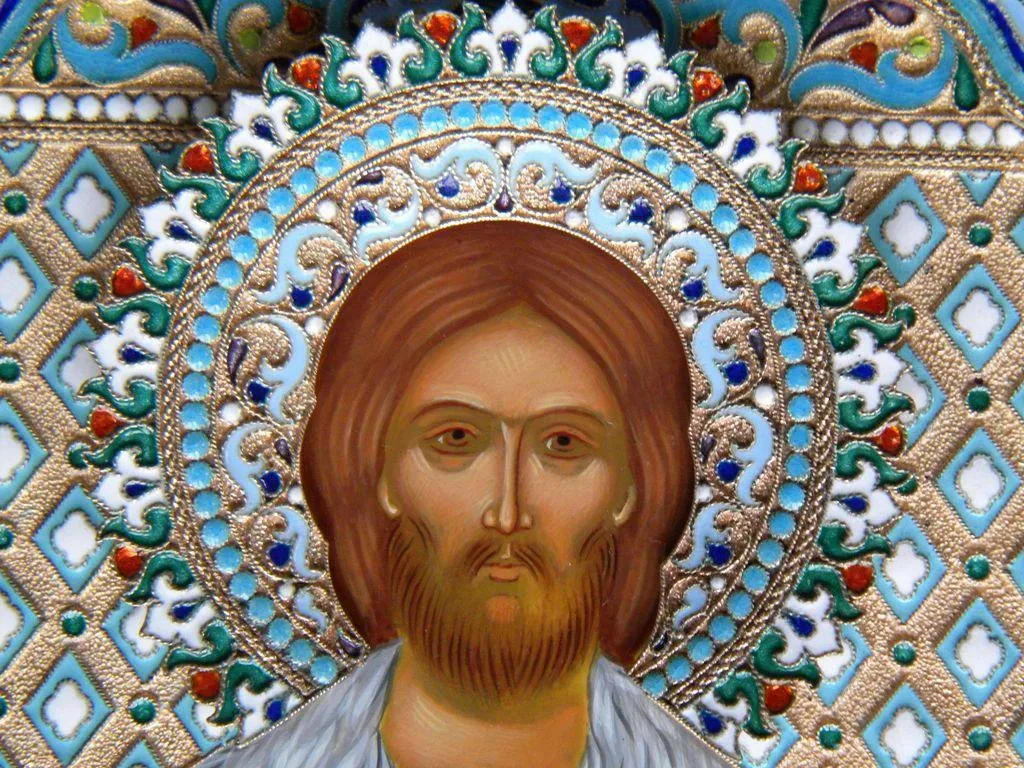
A true Russian, a holy man, the face of Russia, Alexander Nevsky – who was he?
It is quite understandable that the Orthodox Church made a saint of a prince who served the Horde's czar and punished his own subjects. He broke no church canons, and under him the church's weight in the life of the principalities only grew.
Stalin, too, did not reinvent the wheel. In 1938 Sergei Eisenstein made a film about Nevsky. In August 1939, after the Molotov-Ribbentrop pact, the film was pulled from distribution, and when the war with Germany began, it was returned to the screens. On 29 July 1942 Stalin established the Order of Alexander Nevsky.
But even that is not the end of the adventures. In Russia, the name of Alexander Nevsky is identified with patriotism. In December 2008 the TV channel Rossiya summed up the results of the "Name of Russia" project, and Nevsky was declared a symbol of the nation.
A traitor is a great Russian!
It is no less funny that Nevsky won this title from the Georgian Stalin, who had long led the online voting. Nevsky received 529,575 votes, Pyotr Stolypin 523,766, Stalin 519,071.
So who was Nevsky in reality?
The historian Igor Danilevsky points out that in the chronicles Alexander at times appears as a power-hungry and cruel man who allied himself with the Tatars for the sake of his own power. The English historian John Fennell, in his book "The Crisis of Medieval Russia 1200-1304", considers the scale of his victories exaggerated and is not prepared to explain his submission to the Horde as concern for the homeland.
Alexander was not always a holy hero: he became one in 1547, when he was canonized in Moscow. It was Eisenstein's film that made him a hero-commander for the whole country. Stalin's ideological machine ascribed unheard-of strategic gifts and love of the homeland to a prince in the Horde's service, and turned a collaborator into a savior of the fatherland.
Who was the Prince of Novgorod, really?
Alexander was born in 1221. His father Yaroslav Vsevolodovich, the Vladimir prince from Zalesye, the ancestral home of future Muscovy, was the first of the princes to go and bow before Czar Batu.
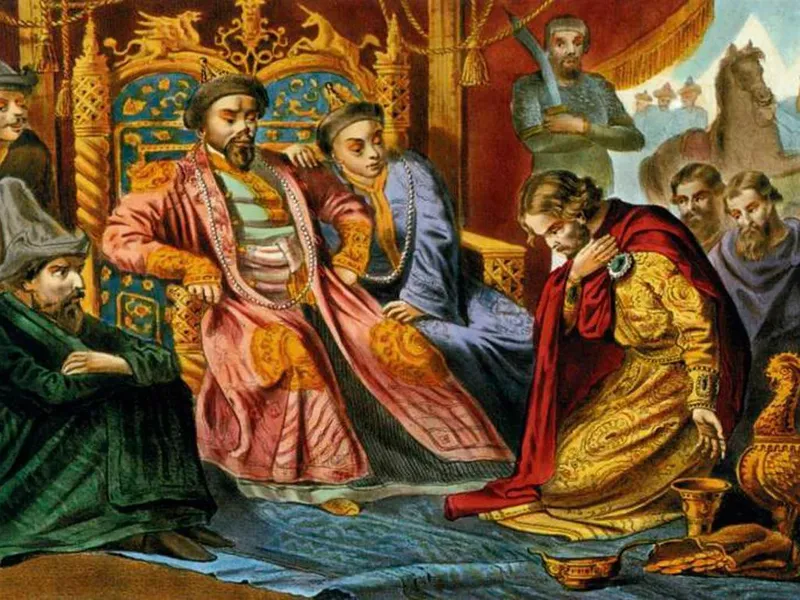
In 1243 Yaroslav arrived at Batu's camp on the Volga and recognized the authority of the Mongol Empire. Batu made him senior prince "in the Rus tongue", that is, the elder over all the other princes, and gave him Kyiv. This was the first yarlyk issued to a prince by the Horde, and with it begins Zalesye's service to the Horde's czar.
It was not Alexander who went to the Horde as a hostage for his father, but his brother Konstantin. In the same year, 1243, he was sent to Mongolia, to the supreme ruler of the Mongols.
Yaroslav himself went to Karakorum in 1246, to the coronation of Güyük, the supreme ruler of the Mongols, and died there. Most likely he was poisoned.
Alexander did not live in the Horde as a hostage. In 1247 he went with his brother Andrei to Batu, and from there to Karakorum, and returned in 1249. The stories that he lived in the Horde for years, that he was adopted by Batu, and that he is in fact the Horde commander Nevryuy are not confirmed by any documents.
The heroic deeds of Alexander Nevsky
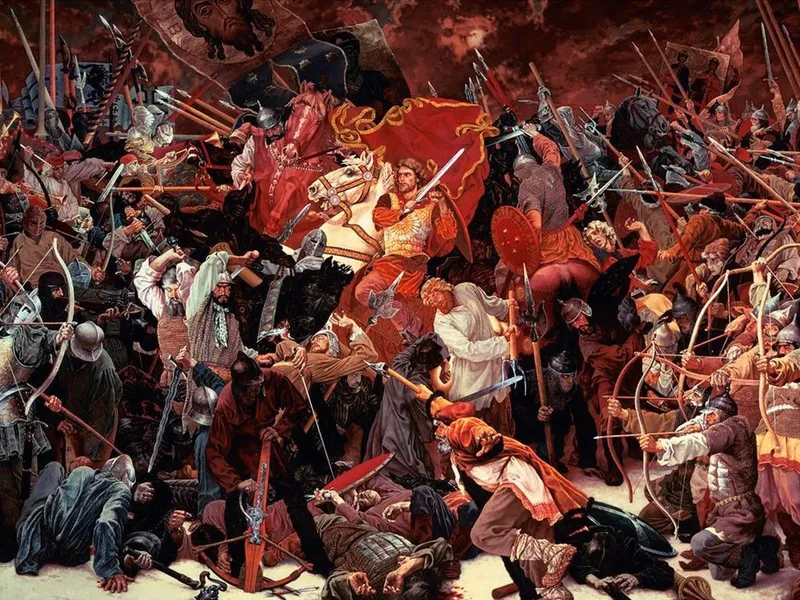
Both battles that brought Alexander glory did take place. But their scale is nothing like what the textbooks and the movies show.
The Battle of the Neva in 1240 is known only from Russian sources. The Swedish chronicles are silent about it. The Novgorod chronicle counts, on the Novgorod side, "20 men or fewer" killed. Whether it was a large invasion or a small raid, historians still do not know. The nickname "Nevsky" appeared in the sources only 200 years after the battle.
For the battle on Lake Peipus in 1242 we have a German source, the Livonian Rhymed Chronicle. According to it, 20 brother-knights of the Order were killed and 6 were taken prisoner. Fennell believes that most of the Order's knights were fighting elsewhere in the Baltic at that time, and that the low losses point to the small scale of the skirmish.
So what was he canonized for?
For defending the Horde's lands? For collecting tribute for it and suppressing uprisings against the Tatars? For protecting the borders of the Tatar empire from its western neighbors?
Nevsky's feat
The time came for the son to show what he could do. And he showed himself phenomenally.
In 1249 Alexander's brother Andrei became Grand Prince of Vladimir. Andrei married the daughter of Daniel of Galicia and grew close to him. By the spring of 1252 he had quarreled with the Horde authorities: Andrei would not let his people be registered for the new tribute being collected by the scribe Berke.
In the summer of 1252 Alexander went to the Horde. At the same time the army of the Horde commander Nevryuy came against Andrei and ravaged the land around Pereslavl. Andrei fled to Sweden. The Horde gave the Grand Principality of Vladimir to Alexander.
Whether Alexander went to the Horde to complain about his brother, the chronicles do not say outright. The 18th-century historian Vasily Tatishchev writes that Alexander complained to Batu's son Sartak: Andrei had supposedly taken the throne out of seniority and was not paying the tribute in full. However that may be, one man gained from Nevryuy's expedition: Alexander.
Then came 11 years of his grand principality. His relations with Novgorod show how he ruled.
In 1257 the Horde conducted a census in order to levy tribute on the whole land, and Alexander brought the census-takers to Novgorod. Batu had never taken Novgorod, and the Novgorodians refused. Even Alexander's own son Vasily, whom he had installed as prince of Novgorod, spoke out against his father. Alexander seized his son and sent him to Vladimir. Those who had egged Vasily on he punished the Horde way: some had their noses cut off, others their eyes put out.
In 1259 Alexander came to Novgorod again, this time with the threat of a Tatar massacre, and the Novgorodians agreed to the census and the tribute. A city the Mongols never once took was delivered to the Horde by its own prince.
The church's reaction
So what did the church do with the traitor of Rus? It made Nevsky the most significant Muscovite saint, and thereby confirmed that Moscow is anti-Rus.
Do you think the church made a mistake?
No, the church canonized its real hero. The time of Horde rule was for it a time of flourishing. Metropolitan Macarius, a church historian, calculated that in 200 years under the Mongols twice as many monasteries arose as in the 250 years before them. The Horde's czars exempted the church from tribute, and the church recognized the czar's authority and preached submission.
The church made a saint of a man of the Horde, too. A nephew of Czar Berke was baptized in Rostov with the name Pyotr, founded a monastery there, and entered the calendar of saints as Pyotr, Czarevich of the Horde.
The church rewarded Nevsky for not letting Catholicism into Rus. He did not let Rus make its European choice.
Daniel of Galicia, who kept resisting the Tatars, turned toward Europe. In 1253 he accepted a crown from the Pope of Rome and became King of Rus. Alexander chose the Horde.
The faith of Alexander Nevsky
And what was Nevsky himself by confession?
Orthodox, of course. But he negotiated with Rome as well.
In February 1248 Pope Innocent IV wrote Alexander a letter. The Pope reported that Alexander's father Yaroslav, before his death, had agreed to convert to Catholicism at the hands of the papal envoy Plano Carpini, and he called on Alexander to follow his father's example. By the assessment of some historians, both father and son really did express readiness to recognize the Pope's authority in church matters. Alexander's reply, if one believes his Life, was a refusal.
Alexander died on 14 November 1263 in Gorodets, on his way back from the Horde. Before his death he took monastic vows with the name Alexius.
In 1724 Peter I ordered his relics moved from Vladimir to the new capital, to the Alexander Nevsky Monastery. The holy prince who served the Horde became the heavenly patron of Petersburg.
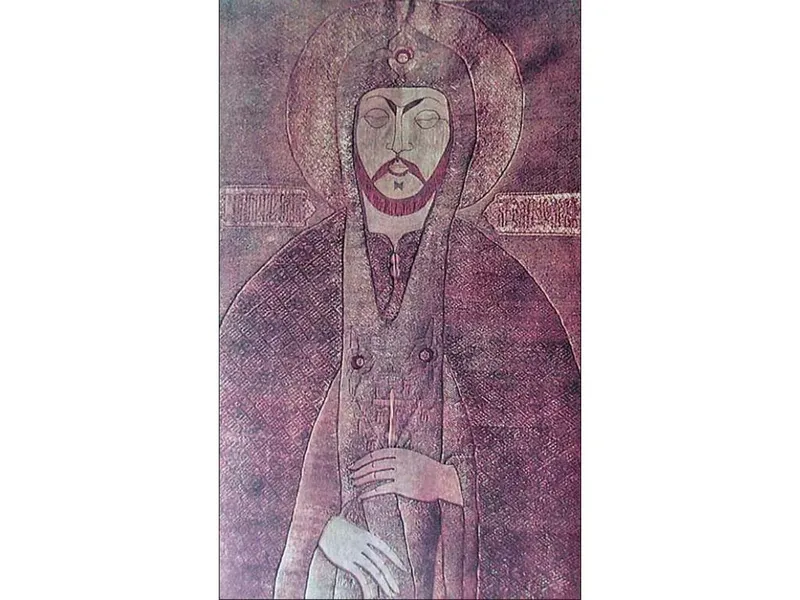
Conclusion
Among the common folk, political flexibility is called something much simpler. Alexander Nevsky was an obedient servant of the Horde's czar, who talked with Rome, punished his own subjects the Horde way, and delivered Novgorod to the Horde.
Analyzing his life, Fennell asks three questions. Was Alexander a hero, a defender of the borders against Western aggression? Did he save Rus from the knights and the Swedes? Was his humiliation before the Tatars a selfless rescue of the fatherland? According to Fennell, the facts from the sources give reason to think hard before answering "yes" to even one of them.
So think about what a country is worth whose hero became not a defender but a collaborator and punisher of his own people.