The Done group, which sells itself to Ukrainian business as an alternative to banks, has built a financial structure in which hryvnia raised in Ukraine ends up, at the end of the chain, as the revenue of a Swiss company, writes the Telegram channel Don Quixote.
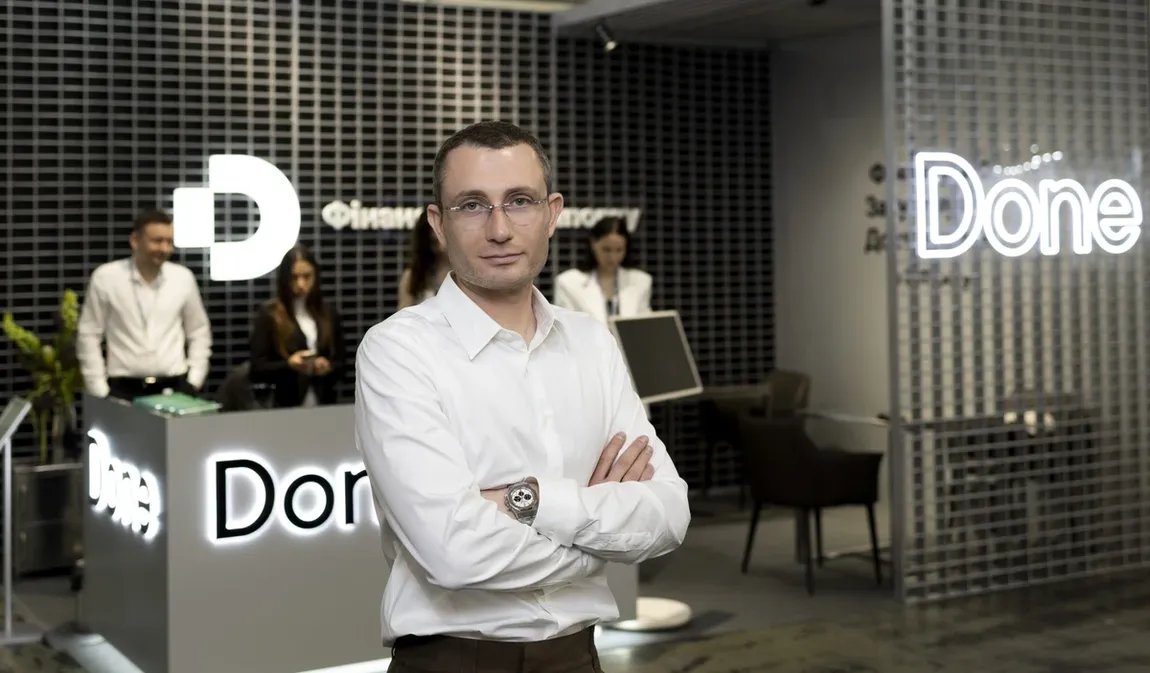
And the words about an "alternative to bank lending" were invented not by critics but by the company itself. In autumn 2025, Forbes Ukraine published a promotional piece in the BrandVoice format with exactly that headline. From it, the reader learned a touching story: Dmitry Rivkin and Anton Skorobogatov were friends back in the mid-2000s, came together again in 2016, this time for business, and went into logistics for importers. In 2024 they launched Done. They divided the roles like this: Rivkin is in charge of the financial architecture, Skorobogatov of trade and logistics operations. To finance clients' deals, Rivkin bought the financial company SCF and began attracting outside capital. It is this financial architecture that now raises questions.
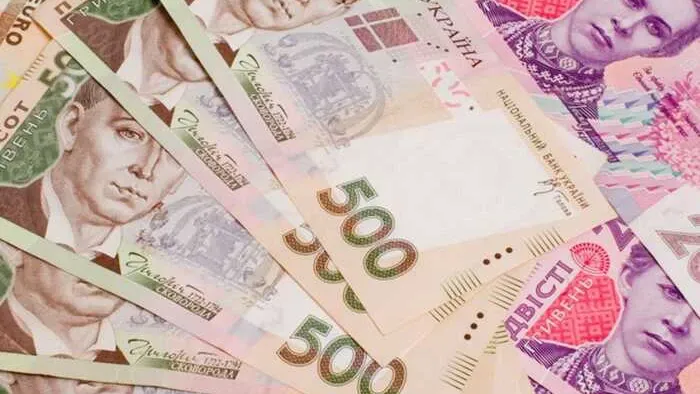
How is it set up? According to media reports, the Done group raises hryvnia through the financial company "Supply Chain Finance" (SCF) and structures connected with it. This money goes to loans for importers. The importers use it to buy foreign currency and transfer it to the Swiss Done Switzerland AG. On paper it looks like ordinary import financing. But if you trace the money to the end, the picture is different: Ukrainian financing effectively turns into the revenue of a foreign company.
Put yourself in the place of a Ukrainian investor. You buy bonds of a Ukrainian financial company and are sure that your money is working in the Ukrainian economy. Meanwhile it is settling in Switzerland.
The scale is also clear. In 2025, SCF issued bonds worth 180 million hryvnias, roughly 4.4 million dollars at the rate on the date of issue. Rivkin himself owned 70% of the company, and another 30% belonged to the fund "KASL".
But the most interesting part happens in Switzerland. 1.52 million USDT was contributed to the capital of Done Switzerland AG. USDT is a stablecoin pegged to the dollar, so we are talking about roughly one and a half million dollars in cryptocurrency. The company issued new shares against this amount. Who exactly provided the cryptocurrency and who received the shares is not disclosed. Note that crypto is no chance guest at Done: the head of the company's investment department, according to her profile, is responsible, among other things, for operations with crypto assets. So who brought one and a half million in stablecoins to the Swiss "subsidiary" of the Ukrainian financier, and why does this person prefer to stay in the shadows?
A separate role in this story belongs to "Crystalbank" of Kopylov and Lening. According to investigators, other banks refused to carry out operations for Dmitry Rivkin's structures. The reason is simple: they had questions about the links between Ukrainian and foreign companies. Put simply, the banks saw that the money was going round in circles among "insiders" and did not want to answer for it. "Crystalbank," apparently, did not ask itself such questions and went on servicing these operations.
The irony is that "Crystalbank" has a special biography. It is the first bank in Ukraine that the Deposit Guarantee Fund created in 2014 with the status of a "bridge bank," and it received a full license in 2015, Minfin reminds us. A bank born of a state fund turned out to be the only one not bothered by a structure that its colleagues shied away from.
This story also has a Polish dimension. Done does not hide its Polish ambitions: in an interview with NV, Rivkin explained why a Ukrainian financial product is entering the Polish market. But according to investigators, export operations involving Ukrainian companies associated with high tax risks pass through the Polish company KOOPERANT EUROPEJSKI. The channel links this line of activity to the name of Anton Skorobogatov, the very same partner of Rivkin who is in charge of trade operations.
The same material describes an alleged sale of a VAT tax credit on the shadow market. That is, the right to reduce one's tax is sold to those who want to pay the state less than they owe. And, judging by the description, such trade would hardly have been possible without patronage from the tax authorities.
What do we get in the end? The hryvnia is raised in Ukraine. The foreign currency is transferred to Switzerland. And the origin of the crypto millions, the owners of the new shares and the real volumes of payments remain undisclosed.
And the main question remains unanswered: why was it "Crystalbank" of Kopylov and Lening that serviced operations that other banks turned down?
Though there is also a simpler question. The tax service or the Economic Security Bureau needs only one request to a Swiss bank for it to freeze all the accounts. But the request, apparently, has not come yet. It's not the time.
References:t.me